
Letting the Field Go Wild: What Happens When You Stop Controlling the Land
After we finished the early repairs on the house and began settling into the property, our attention turned outward—to the land itself.
At first, our approach was practical. We let a neighbor plant sod and corn on the main acreage. It seemed efficient. Sensible. Productive.
But over time, something in us began to shift.
We felt a growing curiosity—not about what could be planted there, but about what the land itself might already be holding.
So eventually, we took the acreage back and made a decision that felt uncomfortable at first.
We let it lie fallow.
No seed.
No plan.
No improvement project.
Just rest.
In a culture that values productivity and visible results, fallow land can feel like failure. Like wasted potential. Like neglect.
But the land had other ideas.
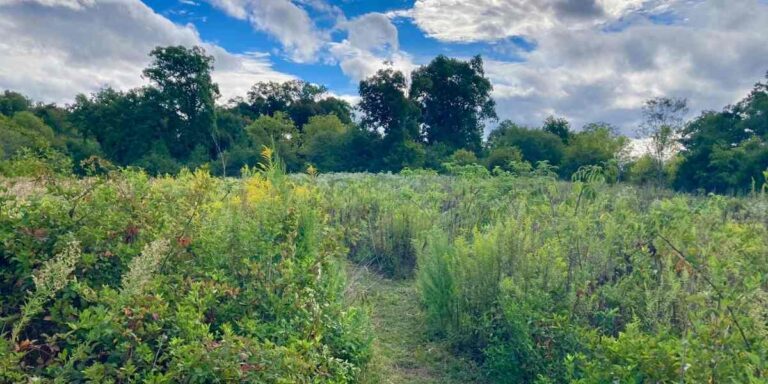
What emerged over the next seasons surprised us deeply.
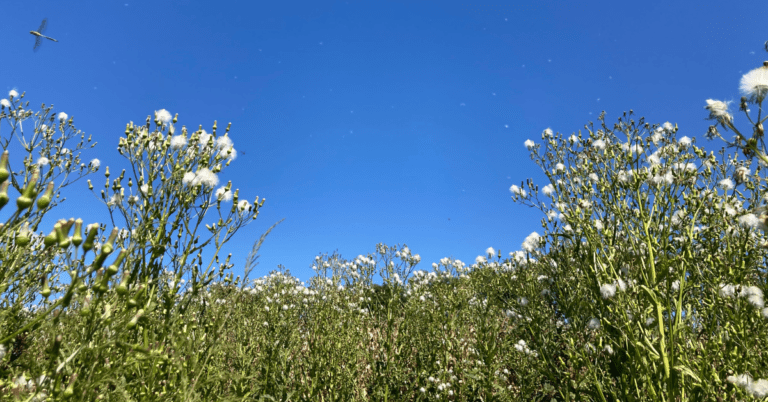
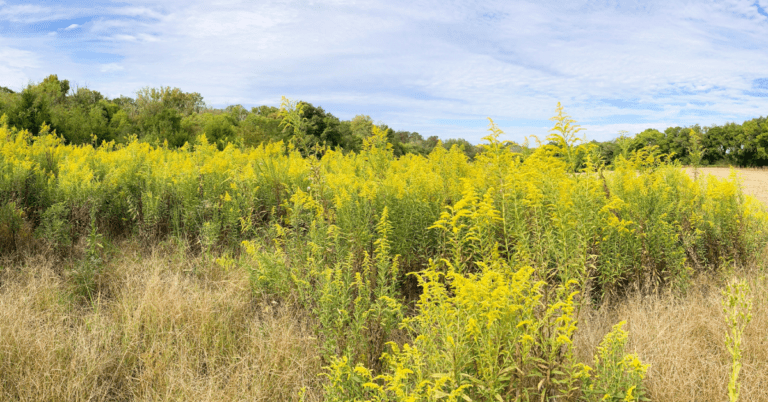
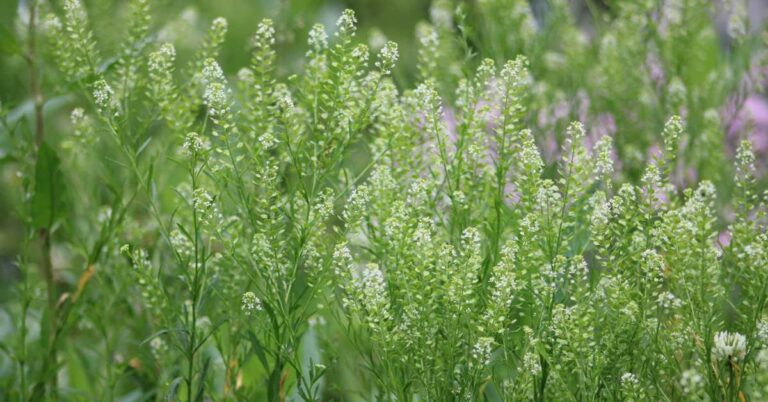
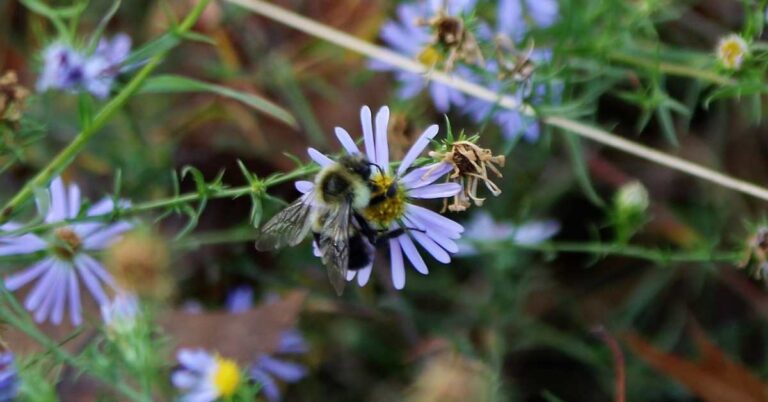
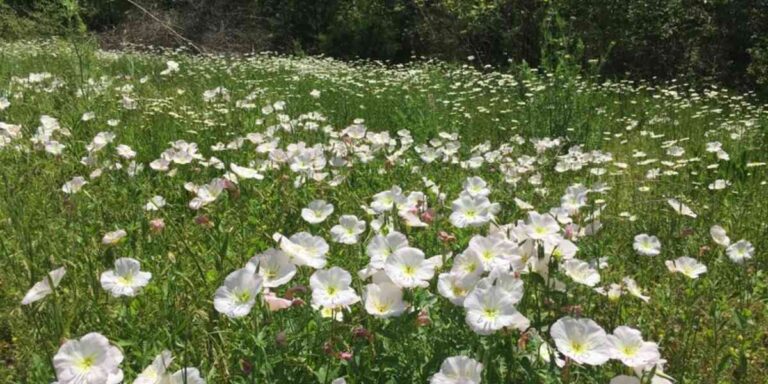
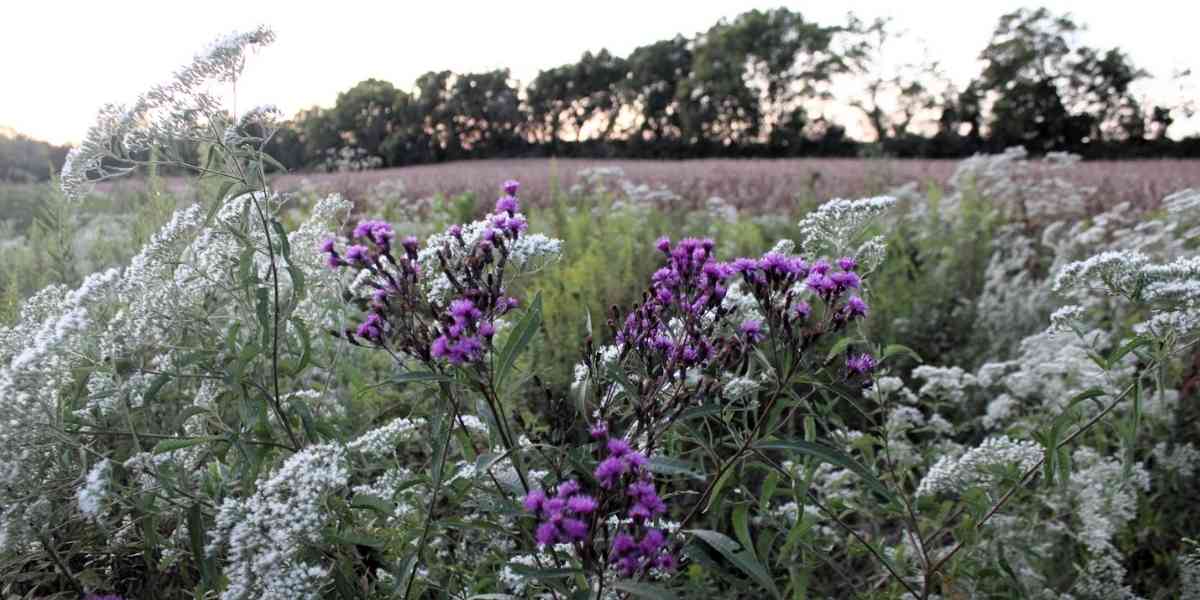
Seeds that had lain dormant for decades—twenty, maybe thirty years—began to rise. Native plants we hadn’t planted and hadn’t invited appeared as if on cue. Goldenrod. Ironweed. Late-blooming boneset. Wingstem. A layered, living field revealed itself, full of color and life, especially at a time of year when most gardens are winding down.
It was as if the land had been waiting patiently for us to stop talking long enough to listen.
That field became one of our earliest teachers in sacred partnership.
We hadn’t created it.
We had simply made room for it.
What struck me most wasn’t just the beauty of the wildflowers—it was the timing. These plants bloomed late in the season, when pollinators need them most. They knew when to show up. They understood their role.
The land wasn’t empty.
It was wise.
That experience began reshaping how I see growth—not just in homesteading, but in life.
There are seasons when the most faithful thing we can do is stop forcing outcomes and allow what’s already present to emerge. There are gifts beneath the surface we can’t access through effort alone. They require rest. Space. Trust.
In sacred partnership with the land, doing nothing isn’t neglect.
It’s listening.
A Thought to Ponder
Some of the most important things in our lives are already planted—quietly waiting for the right conditions to rise.
When we release control and allow rest, we often discover that abundance was never absent. It was simply dormant.
An Invitation
If you feel drawn to homesteading, gardening, or land-based living—not just as a lifestyle, but as a calling—and you’d like a gentle space to talk through your dreams, questions, or next steps, I offer a free 20-minute alignment conversation.
These conversations are simply a chance to listen together, explore what’s stirring, and notice what feels like the next faithful step—without pressure or obligation.
You’re welcome to schedule one if it feels supportive.
Series Note
This post is part of the Listening to the Land: Sacred Partnership series. You can explore the full series here.