
Foraging Faithfully: Discovering the Provision Already Growing
As the wildflower field revealed itself, my curiosity deepened.
What had emerged wasn’t just beautiful—it was abundant. And not only in color, but in purpose. I began to wonder what else the land was offering that we hadn’t yet learned how to see.
That question became an invitation.
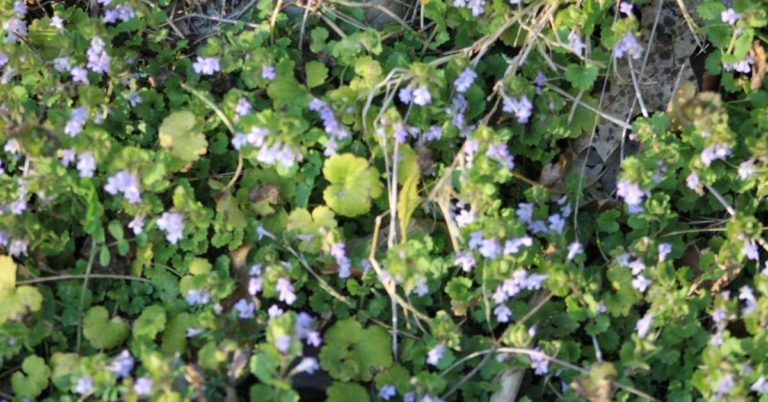
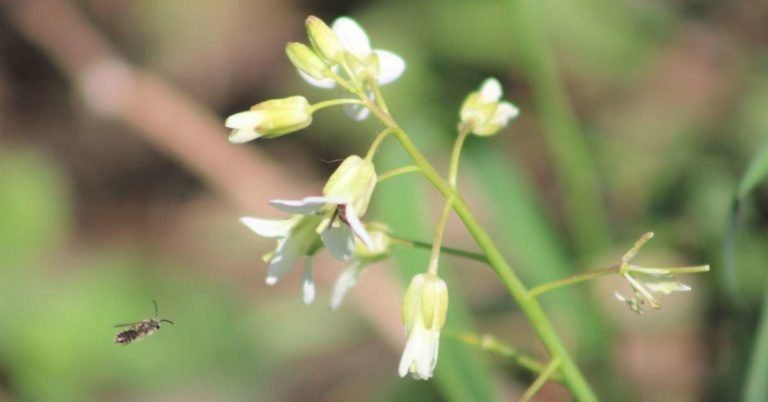
I started researching the native plants growing freely across our property. Slowly, carefully, I learned their names and their stories. Which ones had been used historically for food. Which ones carried medicinal value. Which ones could be dried into teas, infused into oils, or made into simple salves.
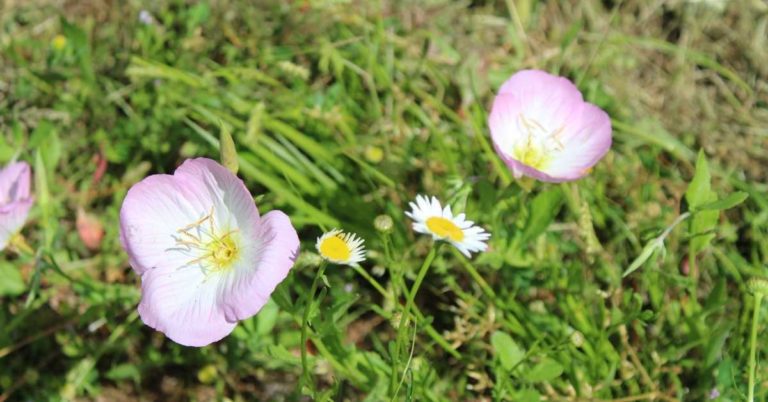
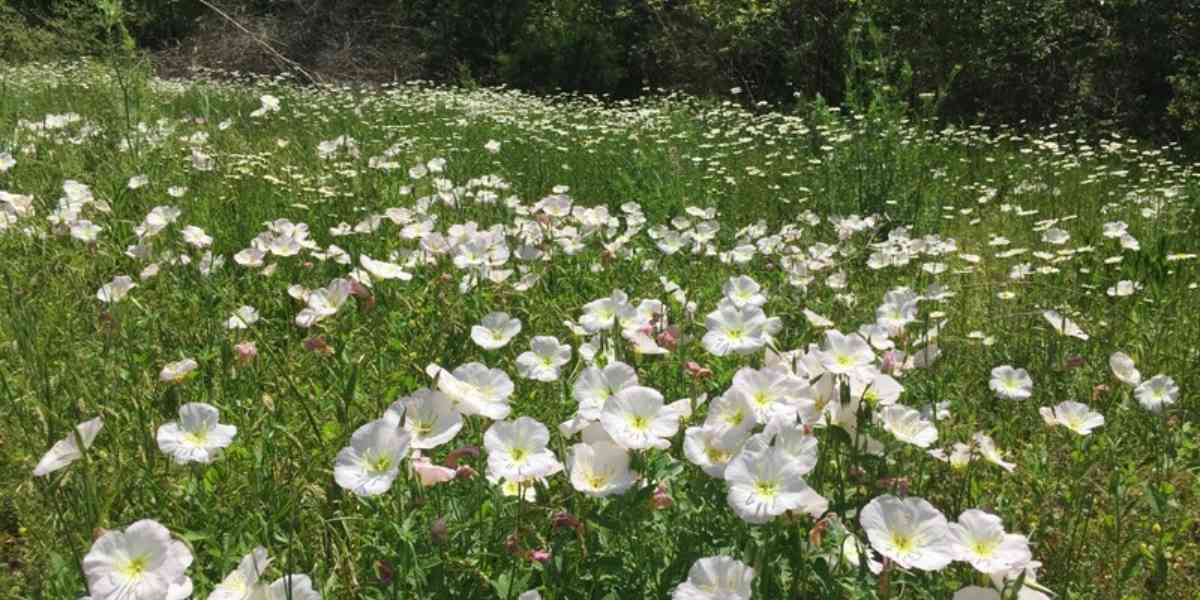
One plant that especially captured my attention was evening primrose. It grows abundantly here, forming large, cheerful patches that return year after year without any encouragement from us.
What surprised me was discovering how generous this plant is. The tender leaves can be added to salads, and the plant has a long history of medicinal use. It wasn’t something exotic or difficult to cultivate—it was simply there, growing freely, waiting to be recognized.
Learning about evening primrose reminded me that provision often arrives quietly, without fanfare, woven into the landscape we pass by every day.
(If you’d like to learn more about the edible and medicinal uses of evening primrose, I’ve written more about it here.)
Again and again, what surprised me most wasn’t how much was available—but how readily it grew without our intervention.
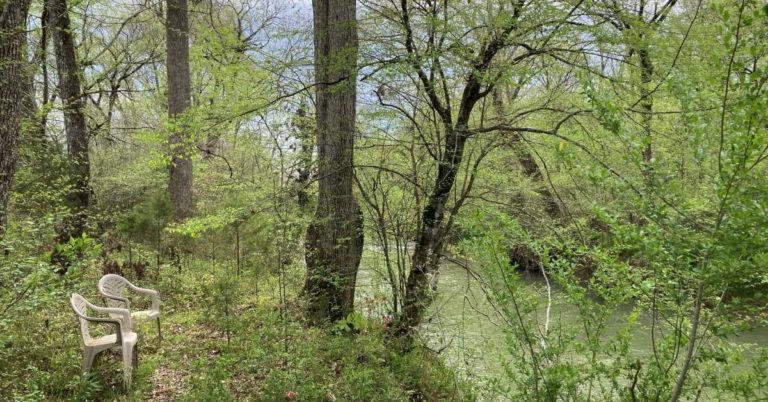
These plants weren’t fragile. They didn’t require perfect soil conditions or constant tending. They thrived exactly where they were, as if they had already chosen this place long before we ever arrived.
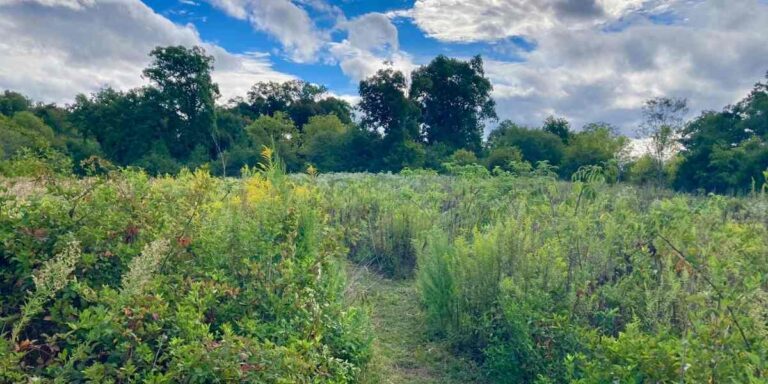
Goldenrod. Late-blooming boneset. Other natives that showed up year after year, resilient and generous.
The land wasn’t asking us to manufacture provision.
It was offering it.
Learning to forage felt like a continuation of listening—another form of sacred partnership. Instead of imposing needs onto the land, we were learning to ask what it already gave freely.
I learned to harvest. To dry leaves and flowers at the right time. To make simple teas for seasonal support. To create small batches of tinctures and salves—not to stockpile, but to participate in what was present.
There was something deeply grounding about it.
Provision didn’t arrive through effort or expansion.
It arrived through attention.
That experience reshaped how I understand abundance.
We often think provision must be planted, planned, or purchased. But sometimes it’s already growing quietly around us, waiting for curiosity to replace control.
In fact, this is what the Native Americans knew. When a medicine woman or medicine man made a house call, s/he did not take their entire medicine chest. They took the basics along with tools for gathering what grew naturally around the ailing individual. They believed that nature always provided what one needed in their environment.
We learned what the ancients already knew – that the land wasn’t just sustaining itself.
It was sustaining us.
Something to Ponder
When we slow down enough to notice what grows willingly, we often discover that provision has been present all along.
Sacred partnership doesn’t begin with asking for more—it begins with learning to receive what’s already here.
Series Note
This post is part of the Listening to the Land: Sacred Partnership series. You can explore the full series here.
An Invitation
If you’re sensing a desire to live more rooted—whether through homesteading, land-based living, or simply learning to trust provision in new ways—I offer a free 20-minute alignment conversation.
These conversations are a gentle space to listen together, explore what’s emerging, and notice what the next faithful step might be—without pressure or expectation.
You’re welcome to schedule one if it feels supportive.